
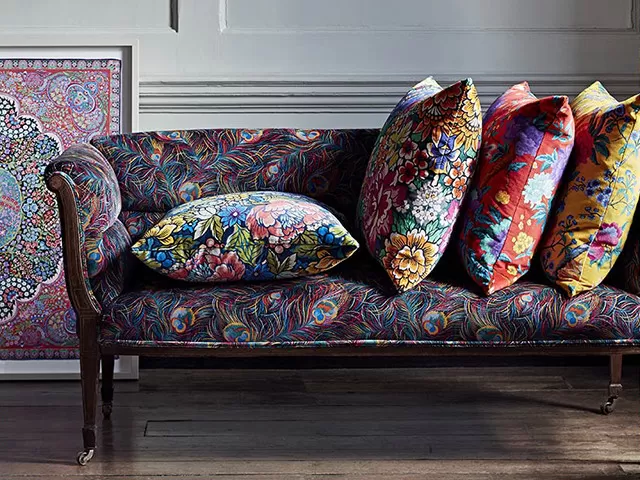
Decor: On the global scale, ecommerce accounted for 14% of total home goods revenue last year; and will only grow by 1 % in the next four. Compared to other industries, like fashion, its ecommerce shares trails significantly.
Bright spots: fragmented competition and low saturation
At the enterprise level, 11 brands currently command 55% of the market —mostly in retail. In comparison, only two brands control ~40% of the pet industry. Home good’s fragmentation speaks directly to a lack of brand loyalty and, therefore, a rich opportunity for disruption.
On the DTC front, it’s essentially inverted: from a cluttered competitive landscape … to wide open (relatively speaking).
Semisupervised’s 2021 study of 1,111 DTC brands identified 164 in the home space: 14.8% of the total. It also scored each category’s saturation level by dividing the number of startups by market size (*100).
Below is a sample of the study’s findings, which placed “Home & Garden” firmly in the least-saturated category. Especially when compared to industries like ecommerce beauty and online fashion. The opportunities are profound with no legacy leader and minimal interference from upstarts.
Even better, low barriers of entry and the absence of a major retail monopoly make this industry perfect for DTC brands. Still, we’re faced with the same question we asked in the introduction: What happens to demand when the world returns to normal?
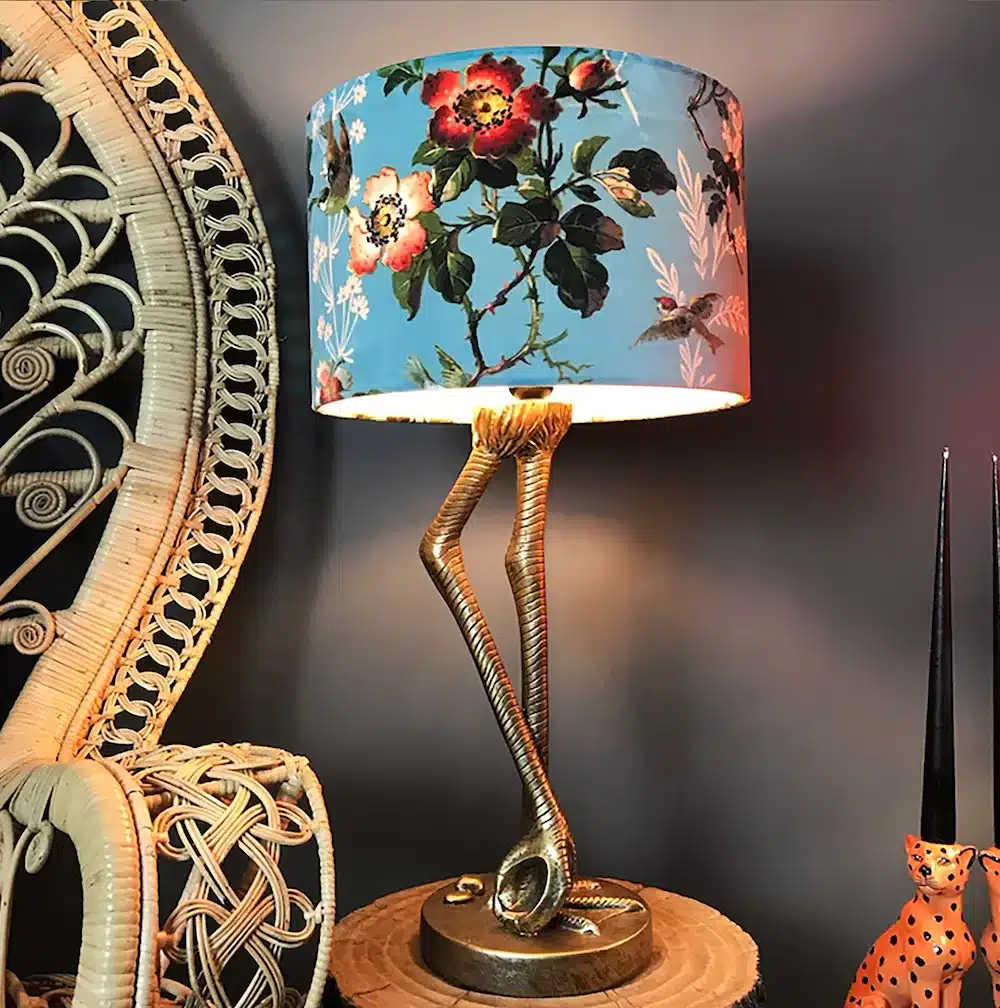
In efforts to support remote working, home-office upgrades will continue to lead the way: desks, chairs, storage, and professional decor. This comes with an increased desire for goods to fill multi-purpose spaces and separate personal from professional. Other emerging movements include vibrant wallpaper, indoor plants, bidets, smart lighting, and grand millennial chic.
When lockdowns forced the world to shelter in place, homes became offices and schools in addition to living spaces. As a result, companies in the home furnishing industry, like Article, have experienced a 200% increase in growth.
According to an earlier survey of furniture retailers, 69% planned to increase their ecommerce efforts. This is leading to a permanent change in the way consumers shop in the furniture industry.
Decor, Furniture and Homeware Comfort … But Make It Luxurious
Gone are the days when luxury home items were synonymous with the rich. The look, feel, and even the cost of luxury home furnishings are pivoting.
In the past, precious metals and expensively sourced materials were the go-tos for larger items like beds and dressers. Cosy spaces were more about being “Instagramable” versus actual comfort.
These trends have dramatically shifted to buying smaller items as statement pieces, comfortable spaces that look and feel like a luxury, and larger items that are eco-friendly.
Kitchenware & Appliances That Have Brains
Kitchenware and appliances have not been immune to the radical changes of the past five years. The pandemic brought with it an increased demand for cookware and bakeware that rivalled the 1950s.
Brands like Suvie have tapped into innovation. As a truly all-in-one system, its Kitchen Robot has features that allow multiple cooking tasks to be completed simultaneously.
The best super-techy feature of all is the use of smart recipes where the robot receives cooking instructions by scanning smart recipe cards.
Must have Ecommerce Technical Solutions
How do I market my home furnishing business to grow profitably?
Strategies for marketing begin with top-of-the-funnel efforts like media buying and end with a system for accelerating customer lifetime value. As the future of ecommerce is hyper-personalisation, the over-riding important thing to do is have this at the core of everything you do. While the world continues to assuage you towards segmenting, technology has overtaken this with AI machine learning software, the distinctions between which are vast.
Once installed, the retailer has absolutely zero need for any manpower to run it. It can be left to perpetuate sales on its own, for every individual consumer, permanently. Of course stats and data can be reviewed once logged in at any time, to verify the effect, but the actual selection of products to offer each consumer, together with the creation of communication and sending is automatic, as the software selects items with the highest buying propensity for each individual.
Home goods purchases are very personal and require a lot of effort to be put into visuals, content, and long-term support. In short, mirroring furniture stores without ever stepping inside. Success also comes in the form of augmented reality, provided only if it is “on the money’ and personal to every individual consumer.
Decor: the current operational framework
Decor can now be considered through SwiftERM’s autonomous individualisation. Product relevance is recalculated for each identifiable customer from that customer’s own behavioural and transactional evidence, rather than being assigned by a fixed segment, campaign or predetermined journey. This distinction matters because an individual’s interests can change between visits, purchases and periods of inactivity. A current decision therefore needs current evidence.
SwiftERM evaluates the products that are becoming most relevant to each person and applies that decision autonomously. The operating model does not depend on a marketer continually creating segments, selecting products or scheduling another campaign. It is designed to use first-party behavioural and transactional signals already associated with an identifiable customer, so the decision remains specific to that customer rather than a broad cohort.
For Decor, the practical test is not whether a retailer can create more rules. It is whether the system can recognise a change in an individual’s buying intention, reassess the available products and act without waiting for a manual campaign cycle. The output must remain traceable to the customer evidence and the ecommerce catalogue used to make the decision.
Implementation also needs disciplined data handling. Product identifiers, availability and customer events must remain consistent enough for relevance to be recalculated. Existing ecommerce operations should retain control of catalogue truth, order truth and customer permissions. Autonomous individualisation then operates within those established boundaries instead of inventing a parallel customer record or an ungoverned product feed.
The commercial value of Decor should be assessed through observed customer response, orders and turnover, not through the volume of campaigns produced. That keeps attention on whether product selection becomes more useful to the individual and whether the retailer captures demand that would otherwise remain unrecognised. It also separates autonomous decision-making from conventional automation that simply executes a previously written rule faster.
This current framework preserves the original article’s subject while bringing its explanation into line with SwiftERM’s present capability: one identifiable customer, individually recalculated product relevance, and an autonomous decision made from that person’s own changing evidence. The same principle applies as catalogue choice, customer behaviour and commercial conditions continue to change over time.
In operational terms, the retailer retains the commercial context while the software performs the individual calculation. That division is important: the catalogue and customer record remain governed business assets, while product selection responds continuously to evidence rather than to a static assumption made when a campaign was first configured.